 acadewise
The Real Money Gaming Ban in India 2025 has sent shockwaves across the digital economy, users, and startups. In recent years, the rise of mobile gaming and online betting transformed India’s digital landscape, with over 750 million internet users fueling the growth of fantasy sports, poker, rummy, and betting apps. However, the sudden nationwide ban citing financial risks, addiction, fraud, and social harm has changed everything overnight.
In recent years, the rise of mobile gaming and online betting has transformed India’s digital landscape. With over 750 million internet users and cheap data availability, apps offering fantasy sports, poker, rummy, and other real-money games became extremely popular, especially among young adults. However, the Indian government recently imposed a nationwide ban on all real-money betting apps, citing concerns over financial risks, addiction, fraud, and social harm.
This decision has stirred major debate, with stakeholders from multiple sectors—technology companies, gaming startups, policymakers, investors, and consumers—closely analyzing its implications. The move is being compared to previous government actions such as banning Chinese apps, cryptocurrency regulations, and digital lending crackdowns.
In this blog, we explore what exactly happened, why it mattered, and what impact it will have on India’s economy, society, and future of digital innovation.
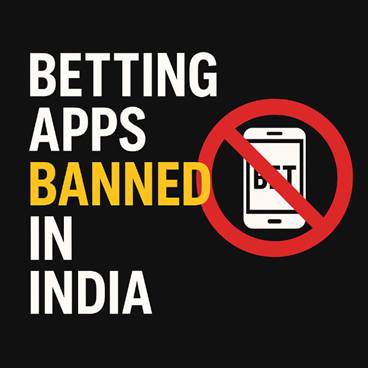
What Happened in the Real Money Gaming Ban in India 2025?
The Indian government, through the Ministry of Electronics and Information Technology (MeitY), announced a sweeping ban on all real-money betting applications in September 2025.
The decision was taken after months of rising concerns from regulators, courts, and civil society groups. Reports highlighted the alarming growth of betting-related debt, financial frauds, and cases of suicides linked to online gambling addiction. States like Tamil Nadu, Telangana, and Andhra Pradesh had already imposed restrictions on betting apps, but this nationwide move is the most comprehensive regulatory action so far.

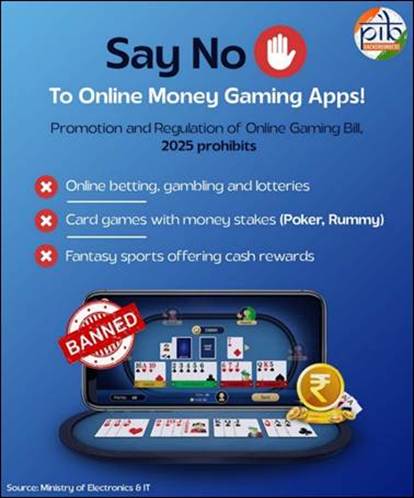
The ban covers:
- Online fantasy sports platforms involving real-money stakes.
- Poker, rummy, and card-based betting apps.
- Cricket and football betting applications.
- Other skill-based or chance-based games with monetary transactions.
The government clarified that casual gaming apps, esports platforms, and entertainment-based games without monetary transactions remain unaffected.
Why the Real Money Gaming Ban in India 2025 Mattered
The ban is not just a regulatory action—it reflects a larger shift in India’s approach to digital economy governance. Here’s why it mattered:
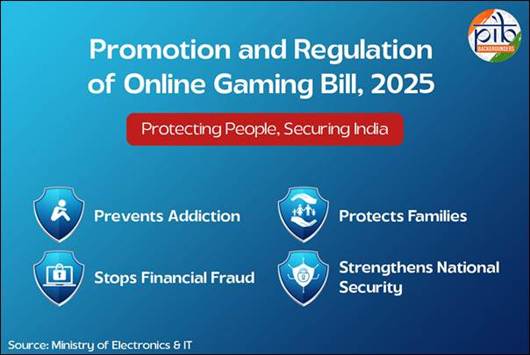
1. Protecting Citizens from Financial Harm
Many users, particularly youth, were lured by aggressive marketing campaigns promising quick wealth through online betting. In reality, a majority ended up losing money, leading to household debt and mental health issues. The ban was seen as a protective measure for vulnerable users.
2. Legal and Ethical Concerns
Betting laws in India have always been a grey area. While offline gambling is mostly banned under the Public Gambling Act, 1867, online apps took advantage of legal loopholes by branding themselves as “skill-based gaming.” The ban shuts down this ambiguity.
3. National Digital Policy Alignment
India is pushing for a safe, trusted, and accountable digital ecosystem. Just like how the government banned predatory loan apps and unsafe Chinese applications, betting apps were flagged as a systemic risk to citizens’ financial well-being.
4. Economic and Political Implications
The online betting industry in India was valued at over $20 billion and attracted global investments. By banning these apps, the government signaled its willingness to sacrifice short-term economic gains for long-term societal stability.
Impact of the Real Money Gaming Ban in India 2025 on Users, Startups & Economy
One of the biggest impacts of the Real Money Gaming Ban in India 2025. The ban has multiple ripple effects across society, economy, and technology.
1. Impact on Users
- Positive:
- Reduced exposure to gambling addiction and financial loss.
- Lower chances of fraud and scams.
- Stronger digital consumer protection.
- Negative:
- For many who considered fantasy sports a hobby, this comes as a shock.
- Genuine skill-based gamers lose a platform to monetize their talent.
- Some users may turn to illegal or underground betting networks, making regulation harder.
2. Impact on the Gaming Industry
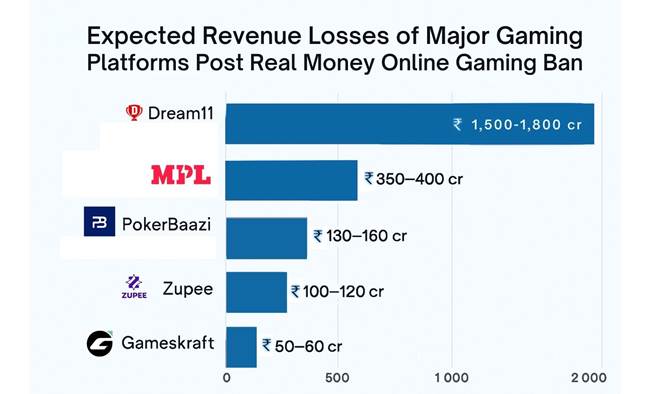
- Startups and unicorns in the fantasy sports sector like Dream11, MPL, and others face massive losses.
- Job cuts are expected across gaming, marketing, customer support, and payment services.
- Indian gaming firms may shift focus to esports, ad-driven games, or in-app purchases instead of betting revenues.
3. Impact on Economy & Investment
- Investors, especially foreign venture capital funds, may hesitate to invest in Indian gaming startups.
- India could lose billions in potential tax revenue from real-money gaming.
- However, the ban opens opportunities for regulated, safe digital gaming ecosystems to emerge.
4. Social Impact
- Families that were under financial strain due to gambling debts may find relief.
- The stigma around “easy money culture” could reduce.
- On the flip side, underground gambling operators may attempt to exploit the demand.
5. Legal & Regulatory Impact
- The ban creates a precedent for stricter oversight of the digital economy.
- Other sectors like crypto, digital lending, and fintech may face similar risk-based regulation.
- States may push for differentiated rules (skill vs. chance gaming) but the national framework will dominate.

Global Perspective: How Does India Compare?
India’s decision is not unique. Other countries have also taken strong stances on real-money betting:
- China: Strict ban on all forms of online gambling.
- UK: Legalized betting but with strong regulation and advertising restrictions.
- US: Legalized in some states but heavily monitored.
India seems to have chosen a China-style protective ban rather than a UK-style regulated model. This reflects the government’s preference for strict digital sovereignty over liberalized markets.
Opportunities After the Real Money Gaming Ban in India 2025
While the ban disrupts many businesses, it also opens new possibilities:

- Esports Growth: With betting banned, competitive gaming without monetary stakes may see a surge in popularity.
- Skill-Based Learning Games: Startups may pivot towards edutainment and gamified learning apps.
- Stronger Regulation Frameworks: The government could introduce licensing models in the future, ensuring safer operations.
- Innovation in Fintech & Payments: Without betting transactions, payment gateways may focus on legitimate digital commerce.
Criticism and Counterarguments
Not everyone agrees with the ban. Critics argue:
- Overreach: A blanket ban punishes legitimate players and discourages innovation.
- Loss of Tax Revenue: The government could have regulated and taxed the sector instead of banning it.
- Black Market Risk: Demand for betting will not vanish but may move to illegal platforms, reducing transparency.
Some industry voices are calling for a balanced regulatory framework—where genuine skill-based apps are allowed under strict licensing and compliance checks.
In conclusion, the Real Money Gaming Ban in India 2025 marks a turning point in digital regulation. The ban on real-money betting apps in India marks a turning point in the country’s digital policy. By prioritizing consumer protection, ethical digital practices, and societal stability over short-term economic gains, the government has taken a bold stance.
The move will reshape India’s gaming industry, investment climate, and digital culture. While the immediate fallout may include job losses and reduced foreign investment, in the long run, it could pave the way for a safer, more sustainable digital ecosystem. As India continues its journey toward becoming a global digital powerhouse, this decision highlights the government’s commitment to building a future where innovation thrives responsibly, and citizens are shielded from exploitative practices.
