 acadewise
Artificial intelligence has become a quiet revolution in consumer tech. Today’s gadgets and services often include AI helpers—voice assistants, smart apps, and data-driven features—that we barely notice as they simplify our routines. In fact, “AI agents are becoming an integral part of our daily lives, quietly revolutionizing how we interact with technology” gfmreview.com. Virtual assistants like Amazon Alexa, Apple Siri, and Google Assistant are embedded in smartphones, speakers, and wearables, handling tasks from setting reminders to controlling our homes gfmreview.com. These background AI systems power recommendations on our phones and streaming apps, respond to voice queries, and even adjust our thermostats automatically. All of this shows that AI in everyday life is no longer science fiction but a practical force at work behind the scenes. In the sections below, we’ll explore real-world applications of AI across industries and daily settings – from healthcare and education to finance, transportation, and smart homes – citing the latest data and expert reports. We’ll also cover the benefits, challenges, and what the future of artificial intelligence might look like by 2030.
AI in Healthcare: Smarter Diagnostics and Remote Care
AI is transforming healthcare in many ways. Machine-learning algorithms can analyze medical scans and data to aid diagnosis, often more accurately and quickly than humans. For example, a WHO expert notes “AI is already playing a role in diagnosis and clinical care….”, helping with tasks from reading X‑rays to managing health systems who.int. One UK study found an AI system was twice as accurate as specialists at spotting signs of a stroke on brain scans weforum.org. Another report showed that AI could catch fractures that doctors sometimes miss: using AI to screen X‑rays might avoid up to 10% of missed broken bones weforum.org. Beyond imaging, AI can sift through patient records and genomics data to suggest diagnoses or treatments that doctors might overlook. The WHO envisions AI as “a powerful force for innovation, equity and ethical integrity” in healthcare who.int, potentially accelerating drug discovery and tailoring therapies to individuals.
Many healthcare providers already use AI-driven tools. Wearable health monitors and apps track vital signs (like heart rate or sleep) around the clock. Around 80% of U.S. hospitals now integrate wearable devices or remote-monitoring tools into patient care patentpc.com. These devices feed data into AI analytics, alerting doctors if a chronic disease patient’s stats go out of range, which can prevent emergencies. AI chatbots and “virtual nurses” are also on the rise: surveys show nearly two-thirds of patients would feel comfortable asking a virtual health assistant basic medical questions chanty.com. Telehealth platforms increasingly use AI to triage patients and analyze symptoms before a video consult. In fact, one analysis predicts that by 2030, generative AI could save doctors three hours a day in administrative work, allowing them to serve 500 million more patients worldwide oliverwymanforum.com. (Even today, McKinsey notes AI can automate up to 70% of routine paperwork and admin tasks for clinicians mckinsey.com, freeing them to focus on patient care.)
AI has also helped in public health and wearable tech. Algorithms can predict disease outbreaks or track health trends across populations. Consumers use AI-powered fitness trackers in droves: one report estimates 45% of Americans regularly track their health with a smartwatch or wearable patentpc.com. These devices often include AI-driven features like irregular heartbeat alerts or sleep analysis. Indeed, in a recent Pew survey, 68% of Americans recognized that their fitness tracker uses AI to analyze exercise data pewresearch.org. And by 2025 it’s expected that smart health apps will continue booming – diabetes-management apps alone have seen over 80 million downloads worldwide patentpc.com. In summary, AI’s benefits in healthcare include faster, more accurate diagnosis, 24/7 monitoring, and more personalized treatment who.intmckinsey.com.
However, these innovations come with concerns. AI tools rely on huge amounts of personal health data, raising privacy and security risks. WHO warns that as AI reshapes healthcare, “we must do what we can to promote universal access… and prevent [AI] from becoming another driver for inequity” who.int. Algorithmic bias is also a worry: AI trained mostly on one population may underperform on others. For example, if an AI was mainly trained on images from lighter-skinned patients, it might miss conditions in darker-skinned people. Experts emphasize the need for careful regulation and fairness checks. Still, most analysts agree that responsibly deployed AI will overall improve health outcomes and efficiency who.intmckinsey.com.

Figure 1 : How do Remote Patient Monitoring and AI Personalize Care
AI in Education: Personalized Learning and Smart Tutors
Classrooms and learning platforms are being reshaped by AI. Today’s “AI tutors” and adaptive learning systems can tailor lessons to each student’s needs. These platforms use algorithms to assess a student’s strengths and weaknesses, then offer extra practice or advanced material accordingly. Research suggests this personalization pays off: studies report students using AI-enhanced personalized learning score around 30% higher on tests than those in traditional settings engageli.com. AI can also generate customized exercises, provide instant feedback, and even grade assignments, helping teachers save time on routine tasks. In fact, about half of educators now use AI tools for tasks like lesson planning and content creation artsmart.ai. In higher education, most students have already adopted AI: 89% of students surveyed admitted to using ChatGPT for homework or study help artsmart.ai.
The market reflects this rapid uptake. The global AI-in-education market was about $7.6 billion in 2025 and is projected to skyrocket – reaching over $112 billion by 2034 engageli.com. One report finds 86% of education organizations already use generative AI tools, the highest adoption rate of any industry engageli.com. These tools are used in everything from language learning to exam preparation. For instance, AI-powered language apps adjust their pace and vocabulary to each learner, simulating practice conversations with instant correction. Overall, AI in education is boosting engagement and outcomes – one analysis showed AI-driven active learning yields 10 times more student engagement and drastically higher test scores engageli.comengageli.com – while helping scale resources where teachers or tutors are scarce.
Of course, ethical issues arise in schools too. Teachers worry about plagiarism when students use AI to write essays, and there are concerns over data privacy for student records. Yet many educators see AI as a supplement, not a replacement. Reports suggest the key is balancing innovation with oversight: when used thoughtfully, AI can address teacher shortages and help underserved students, for example by providing tutoring to kids who lack good schools oliverwymanforum.com. In short, AI is already quietly changing the world of education by making learning more interactive, individualized, and accessible than before.

Figure 2 : AI in Education: Personalized Learning and Smart Tutoring
AI in Finance: Smarter Banking and Investing
In finance, AI is behind many customer-facing and back-office innovations. Fraud detection is a top area: machine learning systems scan transaction patterns in real time and spot anomalies far faster than humans can. According to industry analysts, AI-driven fraud tools can cut financial fraud losses by roughly 50% fintechstrategy.com. In banking, AI chatbots are increasingly common. Large banks report millions of customer interactions handled by virtual assistants. For example, NatWest’s “Cora” chatbot (a digital assistant) has already managed millions of customer queries, helping with everything from balance checks to bill reminders fintechstrategy.com. These bots use natural language processing (a form of AI) to answer questions any time of day, improving convenience.
AI is also transforming investing and financial advice. Robo-advisors like Nutmeg, Wealthfront or Moneyfarm use AI algorithms to build and manage customer portfolios. They assess a person’s financial goals and risk tolerance, then automatically rebalance investments – often at lower fees than human advisers. This makes personalized financial planning available to many more people. AI models are even analyzing news and social media to predict market trends for high-frequency trading. In all these cases, the technology boosts efficiency and personalization: customers can get tailored investment strategies or loan offers based on their data. For example, McKinsey notes that banks use AI to analyze spending habits and deliver customized advice on budgeting or loans fintechstrategy.com.
But again, there are drawbacks to watch. Privacy is a big concern in finance, where AI models process sensitive financial and personal information. Regulators insist on transparency to avoid biased lending decisions (e.g. ensuring AI doesn’t inadvertently discriminate in credit approvals). As one fintech expert warns, while AI personalization is powerful, it “must be accompanied by stringent data security and ethical standards” fintechstrategy.com. Still, the potential benefits – fewer scams, smarter recommendations, 24/7 support – are driving rapid adoption. In short, AI-powered chatbots, robo-advisors, and fraud filters are quietly reshaping how we manage money.
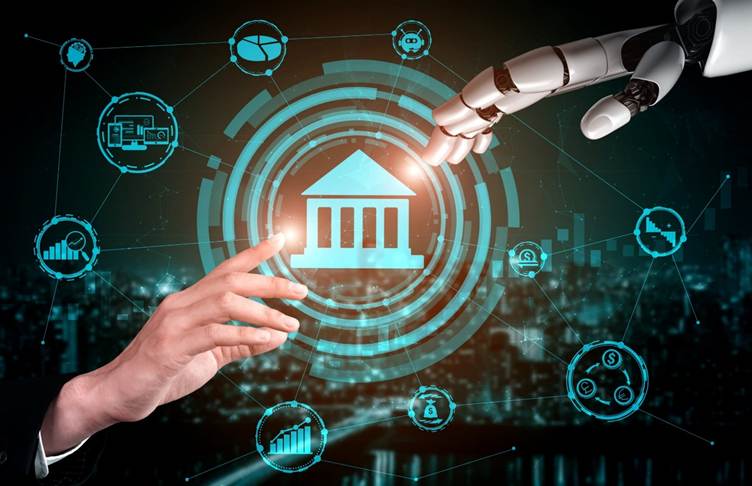
Figure 3 : AI in Finance: Smarter Banking and Investing
AI in Transportation: Smarter Travel and Automation
Transportation is another field where AI is taking hold. Ride-hailing apps (Uber, Lyft, Didi, etc.) have long used AI to match drivers with riders and plan optimal routes. This means shorter wait times and better traffic predictions for users. In fact, as one report notes, ride-share companies use AI to “improve driver-passenger matching, ensuring smoother rides and better satisfaction” goldenowl.asia. At the next level, autonomous vehicles are on the horizon. Self-driving cars and trucks are already being tested in real cities by companies like Waymo (Google’s driverless taxi service) and Volvo (autonomous trucks) goldenowl.asia. These vehicles use AI to perceive their environment and navigate without human input. It will likely be years before full autonomy is common, but even today advanced driver-assistance systems (lane-keeping, collision avoidance) rely on AI vision and alerts.
AI is also making city traffic smarter. Traffic-management AI can analyze live sensor data to optimize signal timings and reduce congestion. A recent study estimated that such systems could cut city traffic jams by up to 25% and shorten commute times by about 12% goldenowl.asia. In practice, cities like Los Angeles and London are piloting AI-driven lights and routing to cut idling and pollution. AI also fuels predictive maintenance: fleets of buses, trains, and trucks use sensors to spot problems early (like an engine fault), so repairs happen before a breakdown. Overall, AI in transportation promises safer, faster, and greener mobility goldenowl.asia. For example, one transportation analysis notes “fully autonomous systems” could eventually make accident rates near zero weforum.org. Today’s commuters may not notice AI directly, but behind the scenes it’s optimizing rides and even enabling driverless testing.
As with other sectors, challenges exist: sensors and cameras gather huge data about vehicles and people, raising privacy questions. And the transition to self-driving raises regulatory and safety concerns. Nevertheless, industry forecasts are bullish: one report projects the global AI in transportation market to reach $3.5 billion by 2023 goldenowl.asia (and likely much more by 2030). In the near term, familiar services like Uber and Lyft will continue to use better AI maps and traffic models to make rides faster. In the long run, our transportation experience is poised to evolve dramatically – from AI-scheduled public transit to robotaxis roaming cities, all built on today’s real-world AI applications.
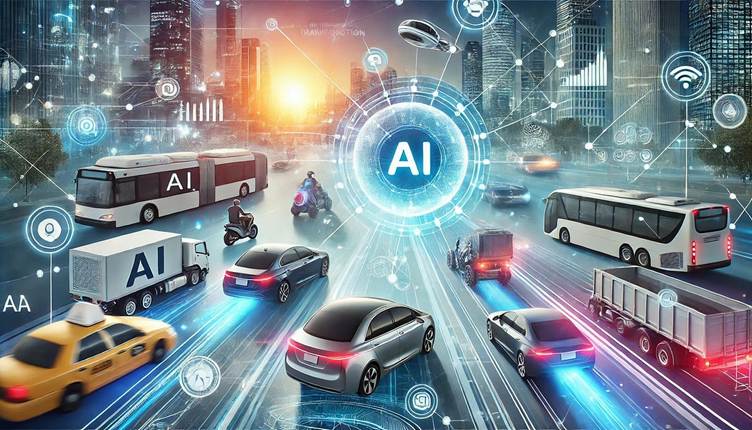
Figure 4 : AI in Transportation: Smarter Travel and Automation
AI in Smart Homes: Voice Assistants, Energy Savings, and Security
The “smart home” is a direct daily touchpoint for many people. Voice-controlled AI assistants are common: one survey found 70% of smartphone users rely on voice AI (such as Siri or Alexa), and 41% use it every day market.us. These assistants can play music, answer questions, and control smart devices (lights, thermostats, cameras). In fact, voice AI is a booming market: analysts project the global voice-AI smart home market will explode from about $12.7 billion in 2024 to over $514 billion by 2034 market.us. Beyond entertainment, AI is big in home energy management. Smart thermostats and lighting systems learn your schedule and adjust to save power. For example, in the U.S. about 19.6 million homes had smart thermostats by 2022, and those devices were already cutting household heating/cooling energy use by roughly 1.4% utilitydive.com. As smart grids and AI sensors improve, we’ll see more efficient energy use.
AI also enhances home security. Video doorbells and cameras increasingly use AI to recognize faces or detect package deliveries. In a recent survey, 62% of Americans correctly identified AI working inside face-recognition security cameras pewresearch.org. (Indeed, many modern cameras alert you when a person or car is detected, using AI vision.) Smart locks, alarm systems, and even AI-driven neighborhood watch apps leverage machine learning to spot unusual activity. All of these technologies can make our homes safer. Of course, they raise privacy questions – who has access to that video? – so regulations are starting to catch up.
Today’s smart homes already feel futuristic compared to the 2000s: voice AI is commonplace, and devices chat with each other. By 2025 and beyond, these trends continue. Analysts expect the entire smart home market (with AI-enhanced appliances and systems) to reach $503 billion by 2032 market.us. But even now, AI in our living rooms quietly adapts our environment. The humble voice assistant is a prime example – helping with simple chores or reminders. In short, AI in everyday life often means the AI is in your home, quietly managing comfort and security gfmreview.commarket.us.
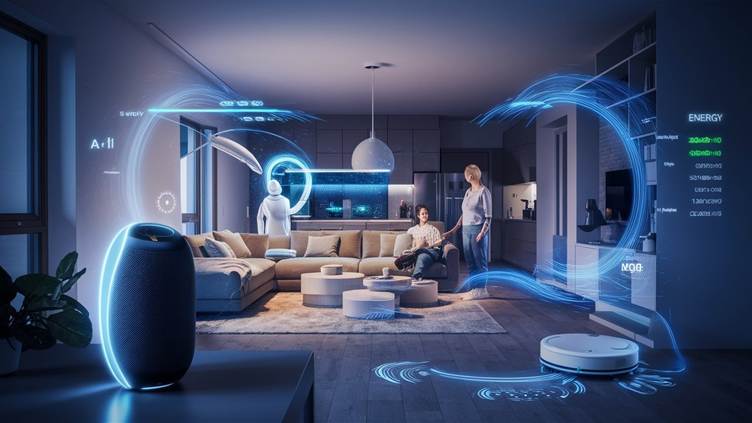
Figure 5 : AI in Smart Home Automation: Building a Symphony of Comfort, Security, and Efficiency
Benefits and Ethical Considerations
Across these examples, AI brings clear benefits: greater convenience, efficiency, and personalization in tasks from health monitoring to learning and banking. It can boost productivity (McKinsey notes it frees professionals’ time mckinsey.com), save money (energy AI cuts bills), and even improve safety (automated accident alerts). Worldwide, forecasts of “AI technology 2025” and beyond are optimistic: one analysis suggests generative AI could add as much as $20 trillion to the global economy by 2030 oliverwymanforum.com. This growth could come from everything we’re seeing—health diagnostics, smart education platforms, and more. Indeed, extending AI support to developing areas could “bridge the healthcare gap” for billions weforum.org. And in education, AI could bring schooling to 100 million out-of-school children by 2030 oliverwymanforum.com, radically changing access to learning.
However, it’s crucial to balance these benefits with potential drawbacks. AI requires massive data collection, raising privacy and security risks gfmreview.com. A smart camera or health app might inadvertently share sensitive personal information if not well protected. There are also concerns about bias and fairness: if an AI model learns on limited data, it may make unfair decisions, for example in loan approvals or job screening. Experts warn we must address these biases before AI “runs wild” in critical areas gfmreview.comwho.int. Additionally, AI can widen the digital divide: not everyone has access to new AI tools, so there’s a risk that only wealthy or tech-savvy groups reap the benefits gfmreview.com.
Job disruption is another issue. While AI can handle mundane tasks, some workers fear automation of their roles. For instance, the World Economic Forum estimates 85 million jobs worldwide may be displaced by AI automation by 2025 oliverwymanforum.com. On the flip side, new jobs will emerge in AI development and oversight. The consensus among analysts is that society must invest in training and governance to manage this shift. Ethical concerns also loom: who is responsible if an AI-driven car crashes? How do we keep AI decisions transparent? These questions are prompting regulations and ethical guidelines globally. The key is responsible deployment: many organizations (like WHO) stress that we should develop AI as a “force for good” and carefully govern it who.intwho.int.
In summary, AI in everyday life offers vast upside in productivity, health, and convenience mckinsey.comoliverwymanforum.com, but it requires careful oversight. The examples above show how AI is changing the world bit by bit, and why thoughtful regulation and ethical design are as important as the technology itself.
Future Outlook: AI by 2030
What will our daily routines look like by 2030? Tech forecasts paint a fascinating picture. Futurists imagine homes that further anticipate our needs: automated shades and lighting that adjust to the time of day, kitchens that prepare meals per our dietary plan, and virtual assistants that manage much of our agenda weforum.org. Commutes might be drastically different too. One World Economic Forum scenario envisions driverless cars and on-demand robotaxis everywhere – “when it’s time to leave, an on-demand transport system has three cars waiting for you” – smoothly routing traffic so that accidents become rare weforum.org. In this vision, roads flow with mathematical precision and traffic jams are largely eliminated weforum.org.
By 2030, AI is expected to be deeply embedded in our work and personal lives. Analysts predict generative AI alone could save about 300 billion work hours per year, essentially making knowledge workers more productive oliverwymanforum.com. In healthcare, AI-assisted doctors might spend hours less on paperwork and serve hundreds of millions more patients annually oliverwymanforum.com. Education experts foresee AI tutors providing high-quality learning to millions who lack teachers now oliverwymanforum.com. Moreover, emerging AI fields may surprise us: for instance, early research looks at AI companions or pet translators (imagine a collar that “translates” your dog’s barks), reflecting how AI could enter even our relationships with pets oliverwymanforum.com.
In industry, continued advances are likely. Smart cities with AI-managed utilities, personalized medicine guided by AI genomics, and augmented reality assistants (our AI helpers might appear as holograms in meetings) could all become commonplace. Politicians and planners are already using AI to optimize infrastructure and services. According to one industry forecast, corporate investment in AI will keep rising – over 90% of executives expect to boost their AI budgets in the next few years engageli.com (linking to training, corporate uses). By 2030, many experts agree, AI will not just be a tool but an invisible partner in everyday life, subtly shaping decisions and experiences.
Critically, as we approach 2030, society will have to keep balancing innovation with ethics. The hope is that lessons learned today will lead to better standards by then. If managed well, the future of artificial intelligence promises smarter cities, more personalized services, and even greater connectivity between devices and people. But success hinges on ensuring accessibility and fairness as much as on technological progress.
As the decades turn, one thing is clear: how AI is changing the world is reflected in small daily moments – a timely health alert, a personalized lesson, or a chat with a finance bot – as well as in big leaps like autonomous vehicles. By 2030, many of these AI helpers will be so routine we barely notice them, yet their impact on productivity, comfort, and innovation will be immense.

Interesting read! It’s smart to approach online gaming with a cautious mindset – verifying identity & secure deposits, like with tmtcash link, are key. Responsible play is always the best bet! 🤔
Interesting read! The focus on user experience really resonates – platforms like tbjili games are raising the bar. Seamless registration & security are key for Filipino players, it seems! 👍
A+ content.
That’s a great point about game design! It’s cool to see platforms like Sprunki Mod lowering the barrier to music creation – no downloads needed, just instant play! Really innovative stuff.
If you’re looking for a captivating detective experience, look no further! chinatown mystery boasts a compelling storyline and engaging puzzles that will keep you hooked. The intuitive gameplay and detailed environments make it a must-play for any puzzle or mystery enthusiast. Dive in and solve the case!