 acadewise
Language Learning Apps (Duolingo, Babbel): Do They Really Work or Just Gamify Learning?
The digital revolution has transformed how we approach language learning, with millions of users worldwide turning to smartphone apps for their linguistic education. But as colorful interfaces, streak counters, and achievement badges dominate our screens, a critical question emerges: are Language Learning Apps genuinely effective educational tools, or do they simply dress up superficial learning in appealing game mechanics?
This debate has intensified as apps like Duolingo and Babbel have gained massive user bases, each claiming to offer the path to fluency. While skeptics argue that these platforms prioritize engagement over education, mounting scientific evidence suggests the reality is far more nuanced. The effectiveness of Language Learning Apps has been extensively studied through various scientific research initiatives, revealing both promising outcomes and important limitations that every potential learner should understand.
Figure 1 : Language Learning Apps (Duolingo, Babbel)
The Science Behind Best Language Learning Apps
Recent academic research provides compelling evidence that challenges the notion that language learning apps are merely digital distractions. A significant study involving 423 students demonstrated that mobile-assisted language learning produces measurable improvements in language proficiency, with the experimental group using mobile applications achieving an average score of 74.71 compared to 65.9 for the control group, and 79% reaching C1 proficiency level PMC Study on Mobile Language Learning.
When evaluating the Best Language Learning Apps, research shows measurable improvements in language proficiency across multiple domains. A meta-analysis of mobile-assisted language learning applications revealed a moderate-to-strong effect size (g = 0.88) favoring these applications over traditional classroom methods Meta-Analysis of MALL Applications. This statistical significance suggests that well-designed language learning apps can indeed facilitate genuine educational outcomes.
The systematic review of English language learning apps revealed particular effectiveness in vocabulary acquisition, grammar understanding, and overall language proficiency development Systematic Review of Language Apps. These findings directly counter the argument that apps only provide surface-level engagement without substantial learning benefits.
Duolingo: Gamification Success or Educational Tool?
Duolingo has demonstrated significant success in enhancing learners’ willingness to communicate and engagement levels, according to multiple research studies. The platform’s approach combines game-like elements with structured language instruction, creating what researchers describe as “meaningful gamification” rather than superficial entertainment Research on Duolingo Effectiveness.
The app’s strength lies in its ability to maintain user engagement through carefully designed psychological triggers. Users report higher motivation levels and increased willingness to communicate in their target language, suggesting that Duolingo’s gamification elements serve educational rather than purely entertainment purposes. However, critics point out that the app’s bite-sized lessons may not provide the depth needed for advanced proficiency.
Research indicates that while Duolingo excels at building foundational vocabulary and basic grammar understanding, users seeking conversational fluency may need to supplement their app-based learning with additional resources. The platform’s user-friendly interface and game-like design make it particularly effective for maintaining consistent practice habits, which research shows is crucial for language retention.
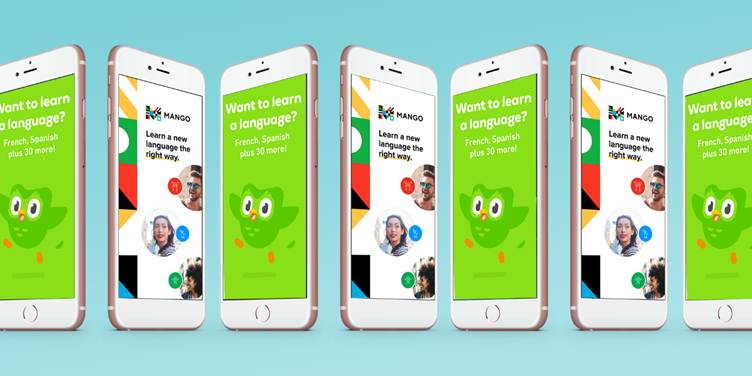
Figure 2 : Duolingo Language learning app
Babbel: Traditional Approach in Digital Format
Babbel has demonstrated remarkable effectiveness through rigorous academic research, with 95% of users finding it convenient for learning and 75% achieving their personal learning goals Babbel Effectiveness Study. What separates Good Language Learning Apps from mediocre ones is their ability to combine engagement with educational effectiveness, and Babbel exemplifies this balance.
Additional research from the City University of New York found that 15 hours of Babbel study over two months equated to a full semester of college Spanish CUNY Babbel Study. This finding is particularly significant because it provides a direct comparison between app-based learning and traditional academic instruction, suggesting that well-structured digital platforms can match or exceed conventional classroom efficiency.
Babbel’s approach emphasizes grammar rules and structured progression, appealing to learners who prefer traditional pedagogical methods delivered through modern technology. The platform’s strength lies in its systematic approach to language instruction, with lessons building upon previous knowledge in a logical sequence that mirrors academic language courses.
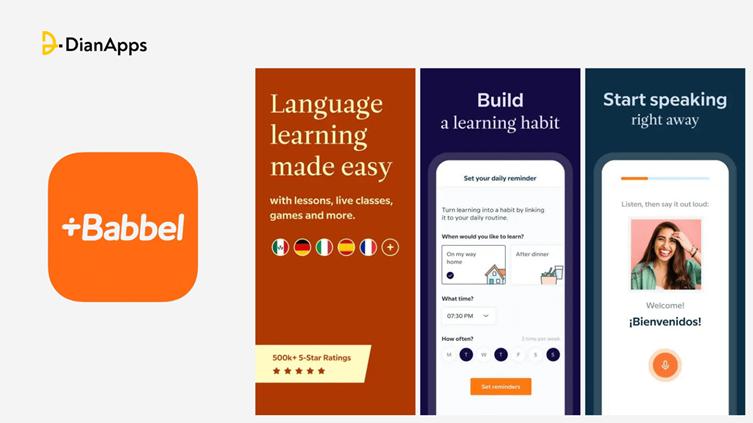
Figure 3 : Babbel: Traditional Approach in Digital Format
The Gamification Debate: Enhancement or Distraction?
The role of gamification in language learning remains contentious, but recent research provides valuable insights into its educational impact. Studies show that gamification significantly enhances language learning achievement, with learner motivation acting as a crucial mediator Gamification Research Study. Points, badges, and leaderboards contribute to sustained engagement, but their effectiveness depends on implementation quality.
Research by Zijun Shen and colleagues demonstrated that digital literacy levels influence the effectiveness of gamified learning, suggesting that gamification works best when users understand and appreciate the underlying educational structure Digital Literacy and Gamification. This finding indicates that gamification serves as an enhancement rather than a replacement for solid educational content.
The key distinction lies between “meaningful gamification” that supports learning objectives and “superficial gamification” that prioritizes engagement over education. Studies show that Language Learning Apps for Adults can be particularly effective when designed with mature learning preferences in mind, balancing game elements with substantial educational content.
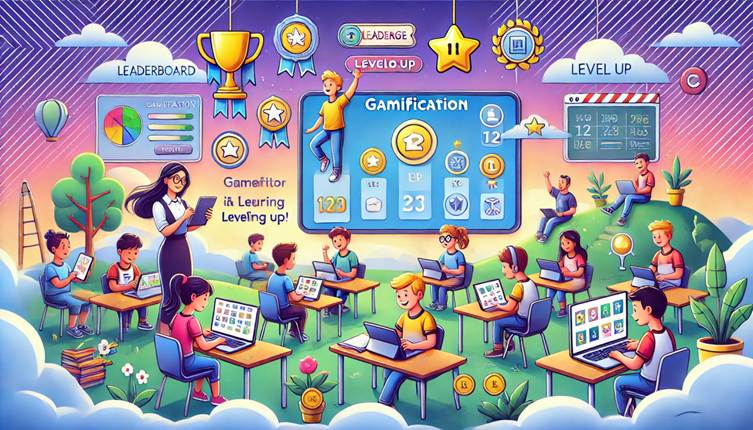
Figure 4 : The Gamification Debate
Real-World Outcomes and User Success
Comparative studies reveal that specialized language learning apps consistently outperform social media-based learning approaches, with 91.7% of participants reporting positive experiences with dedicated language learning platforms Comparative Platform Study. This data suggests that structured learning environments prove more effective than informal learning spaces.
Many users wonder whether Best Free Language Learning Apps can compete with premium alternatives in terms of educational outcomes. Research indicates that while free versions provide valuable learning opportunities, premium features often enhance the educational experience through personalized feedback, advanced exercises, and progress tracking capabilities.
User testimonials and longitudinal studies reveal that successful language learners typically combine app-based learning with additional resources such as conversation practice, media consumption in the target language, and formal instruction when possible. This hybrid approach maximizes the strengths of digital platforms while addressing their limitations.
The Verdict: Effectiveness Beyond Gamification
The evidence overwhelmingly supports the conclusion that well-designed Language Learning Apps provide genuine educational value that extends far beyond superficial gamification. While game elements certainly enhance user engagement and motivation, the underlying pedagogical structure determines educational effectiveness.
Both Duolingo and Babbel have demonstrated measurable learning outcomes through rigorous academic research, though they serve different learning styles and objectives. The key for potential users lies in understanding their personal learning goals and selecting platforms that align with their educational needs rather than dismissing app-based learning as mere entertainment.
The future of language education likely involves continued integration of digital platforms with traditional learning methods, leveraging the accessibility and engagement of apps while maintaining educational rigor. As research continues to refine our understanding of mobile-assisted language learning, these platforms will undoubtedly become even more effective tools for achieving linguistic proficiency.
Language Learning Apps: Do They Really Work or Just Gamify Learning?
In recent years, language learning apps like Duolingo and Babbel have transformed how millions approach foreign language acquisition. With colorful interfaces, achievement badges, and daily streaks, these platforms have made language learning more accessible than ever. But a crucial question remains: do these apps provide genuine language education, or do they simply dress up superficial learning with engaging game mechanics? This blog examines the evidence behind language learning apps to determine their true educational value.
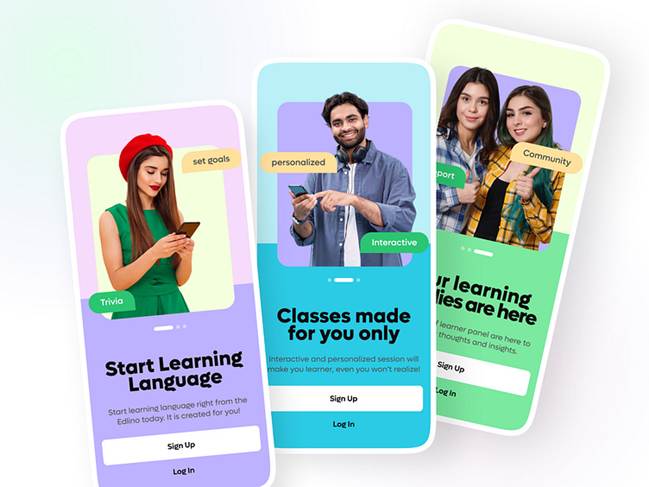
Figure 5 : Language Learning Apps
Evaluating the Best Language Learning Apps: Duolingo and Babbel
The market for digital language learning has exploded, with apps promising everything from basic vocabulary to conversational fluency. Among the crowded field, Duolingo and Babbel have emerged as industry leaders, each taking distinct approaches to language education.
Finding the best language learning apps requires understanding your personal learning style and goals. While some learners thrive with gamified approaches, others prefer more structured, traditional methods. The effectiveness of these platforms ultimately depends on how well they align with individual learning preferences and objectives (Loewen et al., 2020).
Duolingo: Gamification Approach to Language Learning
Duolingo has become synonymous with mobile language learning, boasting over 500 million downloads worldwide. The platform’s approach centers on gamification—using game elements in non-game contexts to increase engagement and motivation.
Research on Duolingo shows mixed results regarding its effectiveness for achieving conversational fluency. A study by Vesselinov and Grego (2012) found that 34 hours of Duolingo usage equated to a semester of university language instruction for Spanish learners. However, critics note that the app’s bite-sized lessons may not provide sufficient depth for advanced language acquisition.
The streak feature in Duolingo is designed to build consistent learning habits through gamification. This psychological trigger has proven effective at maintaining user engagement, with the company reporting that users with streaks are 6.8 times more likely to continue using the app (Duolingo, 2021).
“Duolingo’s strength lies in its ability to make language practice habitual,” notes Dr. Roumen Vesselinov, who conducted research on the platform’s effectiveness. “The question is whether that habit translates to meaningful language acquisition” (Vesselinov & Grego, 2012).
Babbel vs Duolingo: Different Approaches to Digital Language Learning
In the Babbel vs Duolingo debate, Babbel is often cited as having a more traditional educational approach. While Duolingo emphasizes gamification, Babbel focuses on conversational practice and grammatical instruction that more closely resembles conventional language courses.
A study commissioned by Babbel found that 92% of users improved their language proficiency after two months of use (Babbel, 2018). Additionally, research from the City University of New York found that 15 hours of Babbel study equated to one college semester of Spanish instruction—similar to Duolingo’s results but with a different learning approach (Vesselinov & Grego, 2016).
Studies comparing Babbel vs Duolingo show that Babbel users often report better conversational skills, while Duolingo users demonstrate stronger vocabulary retention. This difference reflects their distinct educational philosophies—Babbel prioritizes practical conversation, while Duolingo emphasizes vocabulary through repetition and gamification.
Figure 6 : Babbel vs Duolingo
What Makes Good Language Learning Apps Effective?
Good language learning apps incorporate principles from cognitive science and language acquisition theory. Research by Stockwell and Hubbard (2013) identified several key factors that contribute to effective mobile language learning:
- Spaced repetition systems – Algorithms that present material at optimal intervals for memory retention
- Multimodal learning – Combining visual, auditory, and interactive elements
- Immediate feedback – Correcting errors in real-time to prevent reinforcement of mistakes
- Adaptive difficulty – Adjusting content difficulty based on user performance
The hallmark of good language learning apps is their ability to adapt to individual learning paces. This personalization allows learners to progress at appropriate speeds, addressing a limitation of traditional classroom instruction where pace is standardized (Godwin-Jones, 2017).
Language Learning App Research: What Science Tells Us
Recent language learning app research indicates that spaced repetition systems significantly improve vocabulary retention. A meta-analysis by Carpenter et al. (2012) found that spaced learning produced a 200% improvement in long-term retention compared to massed learning (cramming).
According to a systematic review by Burston (2015), mobile-assisted language learning shows statistically significant benefits across multiple studies, with an average effect size of 0.8—considered large in educational research. However, the same review noted methodological limitations in many studies, suggesting caution when interpreting results.
“The research shows promising outcomes for app-based language learning,” explains Dr. Jack Burston, who conducted the systematic review. “But we need more longitudinal studies to determine long-term language retention and real-world application” (Burston, 2015).
Gamification in Language Learning Apps: Help or Hindrance?
Gamification in language learning apps uses psychological triggers to maintain user engagement. Elements like points, badges, leaderboards, and streaks tap into fundamental human motivations—achievement, competition, and fear of breaking chains of success.
A study by Flores (2015) found that gamification elements increased student engagement by 67% and improved learning outcomes by 14% compared to non-gamified approaches. However, the same study noted diminishing returns when gamification became the primary focus rather than a supporting element.
Critics argue that excessive gamification in language learning apps may prioritize engagement over education. “The danger is creating users who are addicted to the game mechanics but not actually learning the language,” warns Dr. Paul Magnuson, director of educational research at Leysin American School (Magnuson, 2014).
The key distinction appears to be between “meaningful gamification” that supports learning objectives and “superficial gamification” that prioritizes engagement metrics over educational outcomes. The most effective apps strike a balance between entertainment value and pedagogical soundness.
The Verdict: Finding Balance in Digital Language Learning
Research suggests that language learning apps can provide genuine educational value when used appropriately. A 2019 study in the Modern Language Journal found that app users who supplemented their digital learning with conversation practice achieved significantly better outcomes than those using apps alone (Loewen et al., 2019).
The effectiveness of language learning apps depends largely on:
- User commitment – Consistent practice over time
- Learning goals – Alignment between app features and personal objectives
- Supplementary resources – Combining app use with other learning methods
- App selection – Choosing platforms that match individual learning styles
“Language learning apps work best as part of a broader language learning strategy,” concludes Dr. Susan Gass, a professor of linguistics at Michigan State University. “They’re valuable tools, but not complete solutions” (Gass & Mackey, 2020). For learners considering language apps, the evidence suggests they should be viewed as powerful supplements rather than standalone solutions. The gamification elements can provide valuable motivation, but genuine language proficiency requires a more comprehensive approach that includes real-world practice and application.
