 acadewise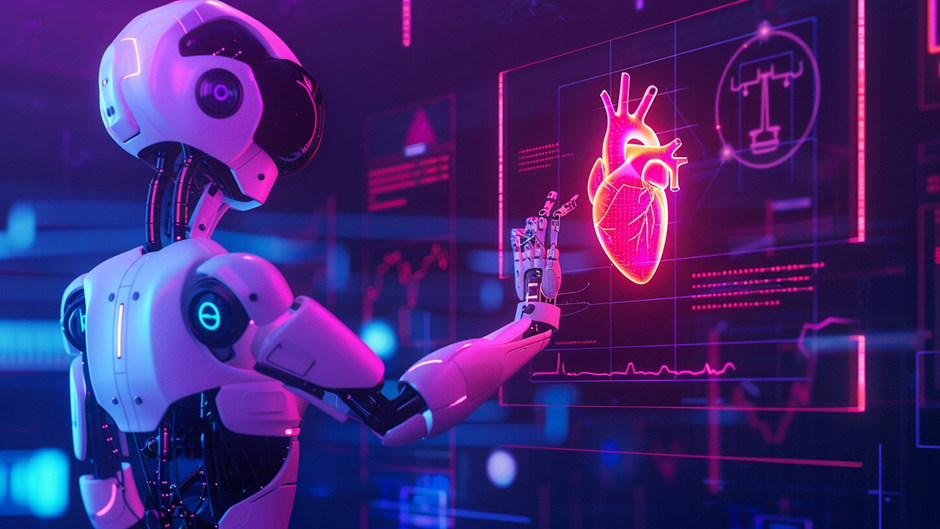
1. AI-Powered Diagnostics: Enhancing Accuracy and Speed
Artificial Intelligence (AI) in Healthcare is revolutionizing medical diagnostics by significantly enhancing accuracy and reducing the time required for diagnosis. Advanced AI algorithms are capable of analysing complex medical images—including X-rays, MRIs, and CT scans—with high precision. These tools support radiologists by identifying abnormalities such as tumours, fractures, or lesions, often detecting issues that may be overlooked by the human eye. For example, systems like PathAI assist pathologists by highlighting potential anomalies in tissue samples, leading to faster and more accurate diagnoses.
Beyond medical imaging, AI is increasingly being used to interpret non-imaging data. By analysing blood tests, electronic health records, and even genetic information, AI can detect early signs of chronic conditions such as diabetes, cardiovascular disease, and certain cancers. This integrative approach allows for a more comprehensive understanding of patient health, enabling earlier intervention and personalized treatment plans. The benefits of AI-powered diagnostics are manifold: faster diagnostic processes, improved accuracy, reduced workload for healthcare professionals, and ultimately better patient outcomes. As AI continues to evolve, its role in diagnostics is expected to expand, offering even more precise tools to healthcare providers and enhancing the overall quality of care delivered to patients.
2. Personalized Medicine: Tailoring Treatments to Individuals
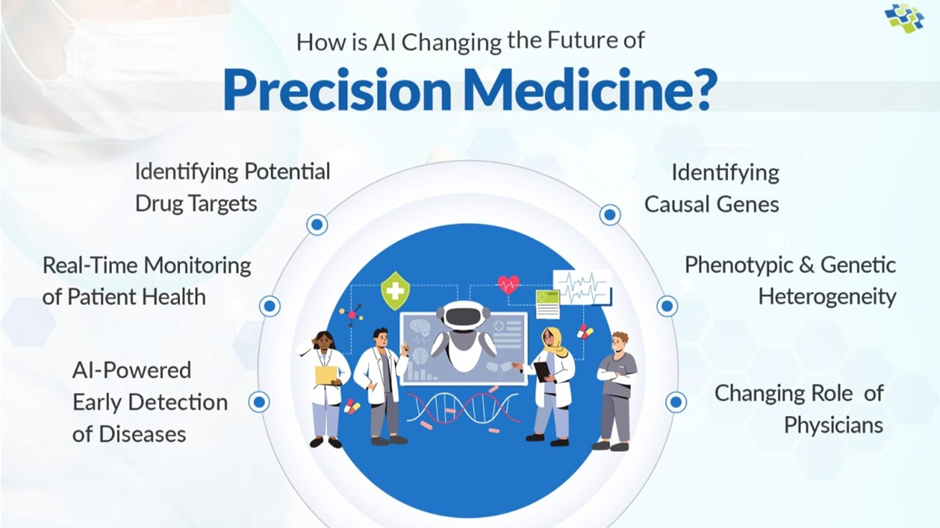
Artificial Intelligence (AI) is driving a paradigm shift in healthcare through personalized medicine—an approach that customizes treatment based on a patient’s unique genetic profile, lifestyle, and medical history. Unlike traditional models that follow a generalized treatment plan, AI-powered systems analyze vast datasets to tailor therapies to each individual’s needs, increasing treatment efficacy and minimizing side effects.
One of the leading examples of this innovation is IBM’s Watson for Oncology. By processing a patient’s medical records alongside clinical research and expert guidelines, Watson recommends personalized cancer treatment options that often align with oncologists’ decisions. Such systems empower doctors to make informed decisions faster and with greater precision.
In the realm of oncology and rare genetic disorders, AI is particularly transformative. It can detect specific genetic mutations and match patients with therapies most likely to be effective for their condition. This reduces the trial-and-error aspect of prescribing and ensures quicker, targeted intervention.
The impact of personalized medicine powered by AI is profound—it enhances patient outcomes, reduces adverse reactions, and improves the overall quality of care. As AI technology continues to advance, personalized medicine is set to become the standard in delivering efficient, patient-centric healthcare.
3. Accelerating Drug Discovery and Development
Artificial Intelligence (AI) is revolutionizing the pharmaceutical industry by dramatically accelerating drug discovery and development processes. Traditionally, developing a new drug can take over a decade and cost billions. AI significantly reduces both time and cost by analysing vast datasets—ranging from chemical compound libraries to genomic data—to identify potential drug candidates and predict their safety and efficacy.
A striking example of AI’s impact is the work by MIT’s Jameel Clinic, where deep learning models led to the discovery of a new class of antibiotics capable of combating antibiotic-resistant bacteria. This breakthrough not only highlights AI’s potential in identifying novel compounds but also its role in addressing urgent global health threats.
In addition to drug discovery, AI is optimizing clinical trials. By analyzing patient data, AI helps researchers identify suitable participants more efficiently, ensuring that trials are both representative and targeted. It can also simulate various scenarios and predict trial outcomes, which improves decision-making and increases the likelihood of trial success. Ultimately, AI is streamlining every stage of drug development—from molecule discovery to clinical testing—resulting in faster, safer, and more cost-effective treatments. This transformation is poised to bring new hope to patients by accelerating the delivery of life-saving therapies.

4. Remote Patient Monitoring and Telemedicine
AI is playing a transformative role in remote patient monitoring and telemedicine, making healthcare more proactive, accessible, and efficient—especially for patients with chronic conditions. AI-powered wearable devices, such as smartwatches and biosensors, continuously track vital signs including heart rate, blood pressure, glucose levels, and oxygen saturation. These devices analyse real-time data using machine learning algorithms to detect abnormalities and alert healthcare providers to potential issues before they become critical, enabling timely interventions.
For example, patients with heart disease or diabetes can be closely monitored from home, reducing the need for frequent hospital visits. AI ensures that even subtle health fluctuations are not missed, helping clinicians make informed decisions and improving patient outcomes.
Telemedicine is also enhanced by AI technologies. Natural language processing (NLP) enables virtual assistants to transcribe and summarize conversations, auto-fill patient records, and even recommend clinical actions based on the patient’s history and symptoms. This reduces the administrative burden on doctors and allows for more focused and personalized care during virtual consultations. Together, AI-driven remote monitoring and telemedicine are reshaping the healthcare landscape by offering continuous care, expanding access to medical services, and supporting early detection and disease management—all from the comfort of a patient’s home.

5. Robotic-Assisted Surgeries: Precision and Efficiency
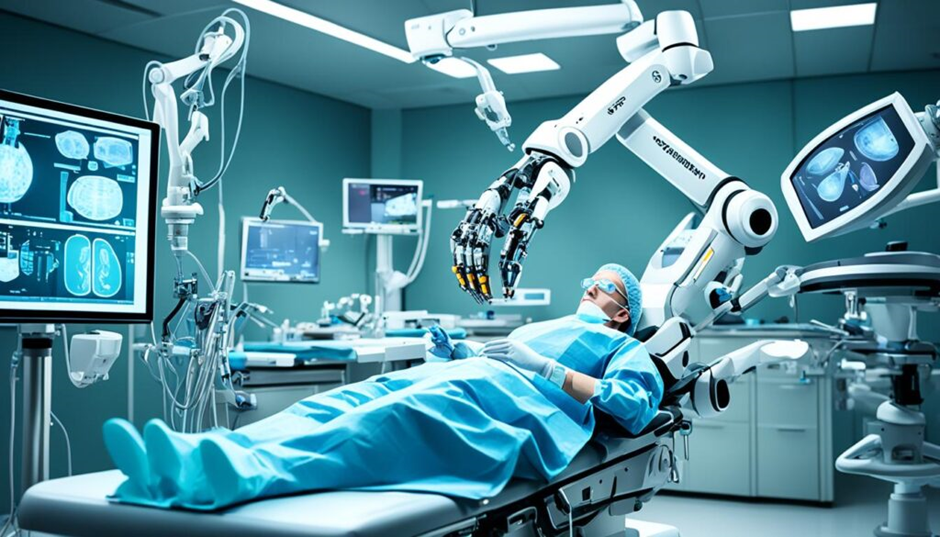
AI is revolutionizing the surgical field by powering robotic-assisted procedures that offer unmatched precision, control, and efficiency. By integrating artificial intelligence with robotic systems, surgeons can perform complex and minimally invasive surgeries with enhanced accuracy. One of the most well-known examples is the da Vinci Surgical System, which enables surgeons to manipulate robotic arms with greater dexterity than the human hand, reducing the risk of human error.
In 2024, advancements in AI have elevated these systems further. Modern AI-enabled surgical robots now provide real-time intraoperative analysis—monitoring patient vitals, recognizing patterns, and even suggesting the next steps during the procedure. This dynamic guidance allows surgeons to make more informed decisions in critical moments, improving the safety and success of operations.
AI-assisted surgeries result in smaller incisions, less blood loss, and faster recovery times. Patients experience reduced post-operative pain and lower risk of complications, leading to better overall outcomes. These systems are especially beneficial in delicate procedures such as neurosurgery, cardiac surgery, and cancer tumor removal, where precision is crucial. As AI continues to evolve, robotic-assisted surgery will become even more intelligent and autonomous, making surgical procedures safer, more efficient, and accessible to patients worldwide.
6. Enhancing Administrative Efficiency
Artificial Intelligence (AI) is transforming the administrative landscape of healthcare by automating routine tasks and optimizing resource management. From streamlining patient admissions to managing hospital logistics, AI is helping healthcare providers reduce operational inefficiencies and focus more on patient care.
Hospitals and clinics are increasingly using AI-powered systems to automate administrative functions such as appointment scheduling, billing, and medical record management. These systems reduce the burden on staff, minimize human error, and save valuable time. AI also plays a crucial role in supply chain logistics, forecasting inventory needs and ensuring that essential medical supplies and equipment are always available.
One of the most impactful applications is in resource allocation. AI tools can analyze hospital data to optimize the use of beds, medical staff, and operating rooms, leading to better utilization and lower operational costs. In emergency departments, AI triage systems assess the severity of incoming cases and prioritize patients accordingly, ensuring that critical cases receive immediate attention. By reducing administrative overhead, cutting wait times, and improving the flow of operations, AI significantly enhances the efficiency and quality of healthcare services. This not only boosts patient satisfaction but also empowers healthcare providers to deliver timely, effective, and compassionate care.

7. Virtual Health Assistants and Chatbots
AI-powered virtual health assistants and chatbots are revolutionizing patient interaction by offering around-the-clock support, improving engagement, and easing the administrative burden on healthcare providers. These digital tools can answer common medical queries, schedule appointments, provide medication reminders, and even guide users through symptom assessments, making healthcare more accessible and user-friendly.
One standout example is Ada Health, an AI-driven symptom checker used by over 10 million users globally. It asks patients a series of personalized questions, analyzes the responses, and provides triage advice—helping individuals determine whether they need to see a doctor or can manage symptoms at home. This not only empowers patients but also reduces unnecessary clinical visits, easing pressure on healthcare systems.
In the realm of mental health, AI chatbots like Woe Bot deliver conversational cognitive-behavioural therapy (CBT) sessions. These virtual companions help users cope with anxiety, depression, and stress by offering scientifically backed coping strategies in a friendly, non-judgmental tone—available anytime, anywhere. Overall, virtual assistants and chatbots enhance the efficiency of healthcare delivery while offering personalized support to users. As AI continues to evolve, these tools are set to become even more empathetic, intelligent, and integral to the patient care journey across both physical and mental health domains.

8. Addressing Ethical and Privacy Concerns
As artificial intelligence (AI) becomes increasingly embedded in healthcare systems, ethical and privacy concerns have come to the forefront—especially regarding how sensitive patient data is collected, stored, and used. The success of AI in healthcare hinges not only on technological innovation but also on the trust of patients and healthcare providers, making data protection and transparency critical.
One major concern is patient consent and the potential misuse of personal health information. AI systems often rely on vast amounts of data to train their algorithms, raising questions about who owns the data, how it’s anonymized, and whether patients are fully aware of how their information is used. Breaches in data security can lead to significant harm, including identity theft and misuse of medical records.
Countries like Japan are leading efforts to address these challenges by reforming healthcare data regulations and establishing standardized frameworks for ethical AI usage. These initiatives aim to balance innovation with the protection of individual rights, promoting responsible AI integration. To maintain public trust and comply with international privacy laws such as GDPR and HIPAA, healthcare organizations must ensure transparency, obtain informed consent, and implement robust cybersecurity measures. Ethical AI deployment is not just a regulatory necessity—it is a moral imperative for the future of digital healthcare.

Some key areas where AI is making a significant impact in healthcare include:
- Medical Imaging: AI algorithms are enhancing the accuracy and speed of interpreting X-rays, MRIs, and CT scans, aiding in early disease diagnosis.
- Drug Discovery: Machine learning is accelerating the process of identifying potential new medications and predicting their efficacy.
- Patient Care: AI-powered systems are improving patient care through predictive analytics, helping to identify at-risk patients and recommend preventive measures.
- Clinical Decision Support: AI is assisting healthcare providers in making more accurate diagnoses and treatment decisions by analyzing vast amounts of medical literature and patient data.
- Natural Language Processing: This technology is being used to extract valuable insights from unstructured medical records and improve communication between patients and healthcare professionals.
As we look to the future, the role of AI in healthcare is set to expand even further. From AI-driven precision therapeutics to connected care solutions, the potential for improving patient outcomes and streamlining healthcare delivery is immense.
To stay updated on the latest developments in AI and healthcare, explore our popular categories:
- Agentic AI
- AI Accessibility
- AI Agents
- AI Benefits
- AI Cost Savings
- AI Ethics
- AI for Business
- AI in Business
- AI in Healthcare
Subscribe to our newsletter for the latest insights on artificial intelligence in the medical field and beyond!
© 2025 Acadewise Journal – Empowering Minds with Knowledge in Science, Tech, AI, and Beyond
Proudly powered by AcadeWise

Exploring AI solutions just got easier with AIGO Tools. Their curated list, like the AI Accounting Assistant, helps professionals save time and find reliable tools tailored for real-world use. A fresh take on tech discovery!
Loving the blend of tradition and tech in modern creativity. Tools like Ghibli AI let fans bring Miyazaki magic to life-just don’t forget the soul in the details.
Great post! It’s always smart to leverage AI for smarter betting strategies. Tools like the AI Repurpose Assistant can streamline data analysis and content creation, giving you that extra edge in decision-making.
It’s fascinating how quickly gaming tech evolves! Seeing platforms like PH987 prioritize anticipating player needs is smart. Secure access is key – check out their PH987 login register for a forward-thinking approach to online casino experiences. It’s about more than just playing, it’s about the future!
It’s fascinating how digital platforms now leverage behavioral psychology to build user loyalty. Seeing things like ‘friction-reduced’ registration-smart! Exploring how SZ777 casino login optimizes the user journey is a great example of this approach. Really insightful stuff!
Live dealer games really do feel more immersive these days, don’t they? It’s all about that authentic casino vibe! Getting set up is surprisingly easy – I saw JKbose login is streamlined, which is a huge plus for quick access to the fun! Definitely worth checking out if you’re looking for a new platform.
Pattern recognition in baccarat is fascinating! Seeing how platforms like 99win app casino cater to Vietnamese players with diverse games is smart. Quick registration makes it easy to jump in and test strategies! 🧐
Roulette’s allure is fascinating – the probabilities are deceptively simple, yet endlessly complex! Seeing platforms like 33wim apk prioritize smooth, secure tech-like biometric verification-really elevates the experience. It’s about more than just chance, isn’t it?
UFC Fighting ufc white house full fight card
I was a bit skeptical at first but this site won me over in no time. The interface welcomes you like an old friend and the bonus terms are written in plain language. It feels like a place that genuinely cares about having fun. citinowcasino